http://www.parks.wa.gov/581/Seaquest
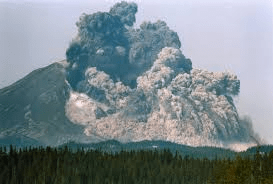
Just off I-5, an hour north of Portland, lies Mount St Helens, one of the “Ring of Fire” volcanoes that line the Pacific coastline. Us old timers remember the 1980 explosion so it seamed like an interesting place for one of our first family camping trips, back in 2004. We were not disappointed.

Here is my advice for this campground
- Recommended Sites:
- There are different loops available for RVs, regular trailers, and tents. We stayed in our tent trailer in the North Loop. There were tall trees that shaded the area. Don’t expect sunshine. It rained for part of the time so we tarped well as is the norm in British Columbia’s coastal mountain campgrounds; we sure got a lot of people looking at our site in amazement. Turned out there wasn’t very much rain and a lot of it was sheltered by those big fir trees, so you probably don’t need to worry as much as we did.
- 2004 was pre-blogs so I didn’t take specific site notes to share with you.
- Campground Highlights
- Very private, woodsy sites
- Lots of unique things to do in this state park. The Visitors Center is within walking distance. Other activities require a vehicle, preferably truck-only with the trailer staying in your campsite.
- Campground Lowlight
- Mosquitoes
- Damp
- Things to do
- Hike
- Canoe or kayak on Silver Lake
- But most of all, anything related to the volcano! That’s why you’ve come here

Our trip

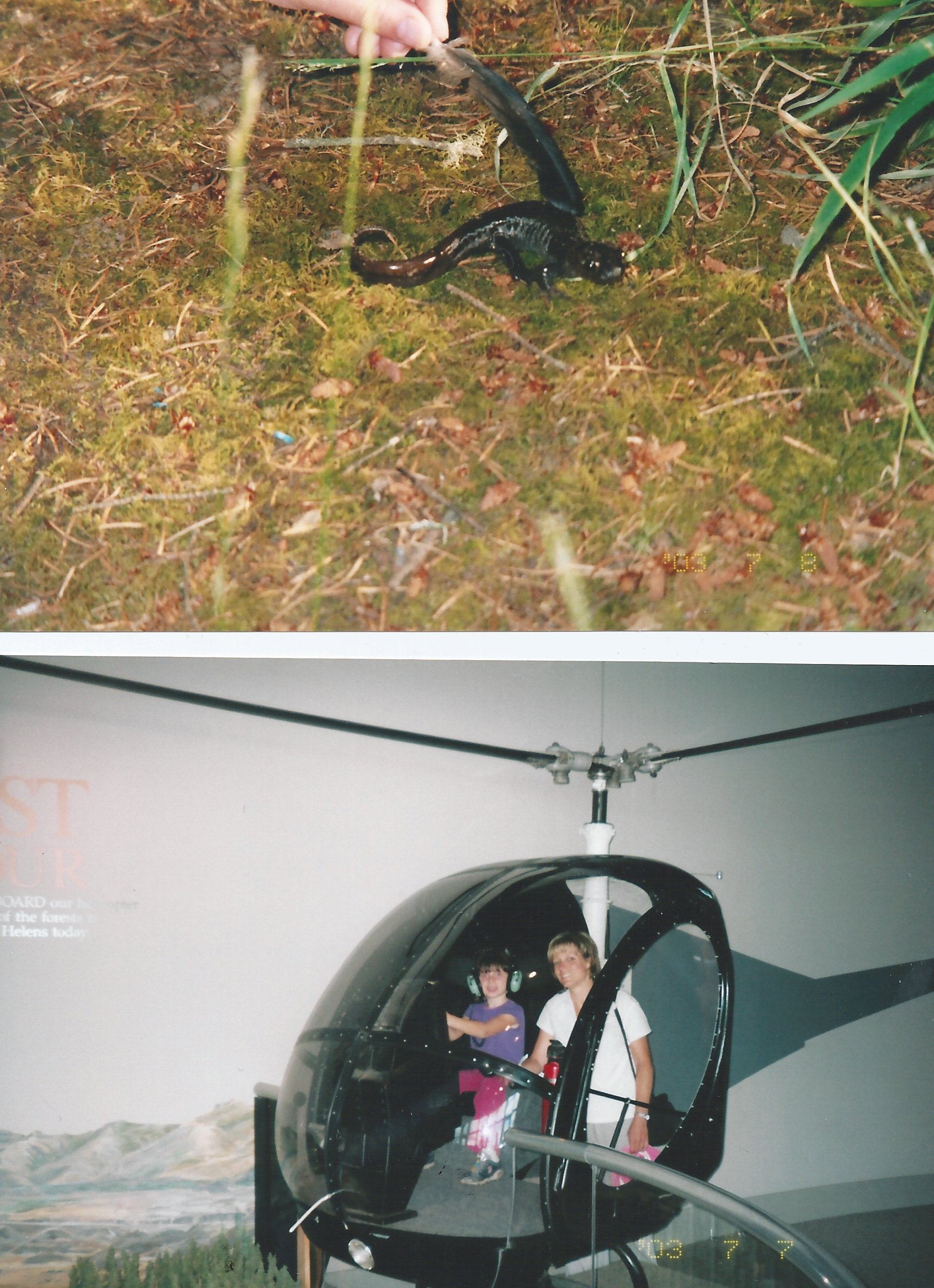
We were with a 6 and 7 year old.
- After a 4 hr drive from the Vancouver area, we stopped at Castle Rock’s “Cinedome‘ to see an IMAX movie of the 1980 explosion. The theater seats were made to shake during the climax. Sadly, the Cinemax is closed now. Maybe Mt St Helens needs to erupt again to renew ticket buying interest?
- Shortly afterwards we checked in, set up camp, and walked over to the Visitor Center. That beautiful building has displays & videos that explain the mountain’s various eruptions.
- Afterwards we drove a long and winding hour up to the Johnston Ridge Observatory. This national monument is a great vantage point to view the blown out crater. All the blown down trees were a famous image post-eruption so it was fascinating to see the same crater but with fresh, 20 year old trees (they’d be 35 now.)
- The next day we drove 1.5 hrs around to the south side of the mountain to explore “Ape Cave.” This was one of my favorite parts of the park visit. You need to get two light sources, in case one goes out, and then descend into what looks to be a big subway tunnel. It is actually a lava tube from thousands of years ago. The soft lava rock has since crumbled leaving a cold & dark hiking tunnel. Better than Craters Of The Moon national monument‘s hike. There are no apes though; they’re named after ” The Apes”, a Boy Scout troop who discovered the caves back in the 1950s. Mind you, their name originated from local Bigfoot stories so you never know what you might bump into in the dark.
For all those reasons, put Mt St Helens on your camping trip list.


 Camp That Site: Enjoy BC with the right site the first time
Leave a comment