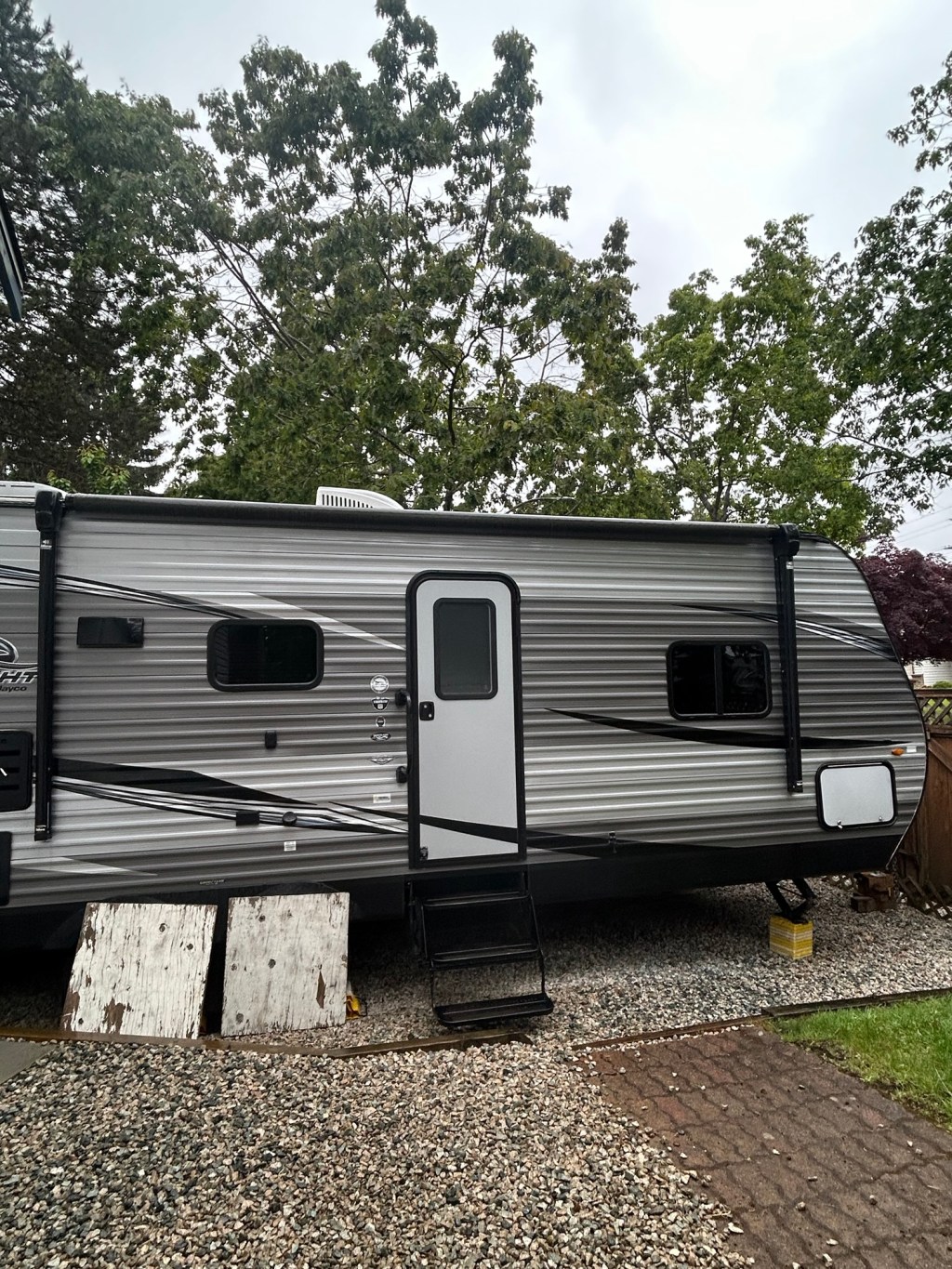
We are now at our 3nd RV and each year we debate whether we should buy an RV cover or not. RV’s are expensive and worth investing in the proper protection but we have yet to land on the right answer.
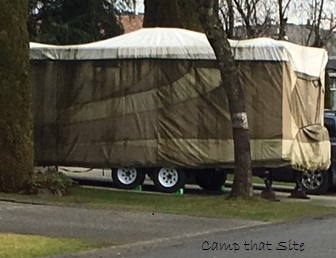
When we had our tent trailer we did the unthinkable and covered it with a blue camping tarp. I can hear the collective gasp. What might surprise you is we did this for 10 years and not once did our trailer leak. Adding to our inexperience, get ready to gasp, we also never resealed our seams or treat our roof. I know shocking!!!
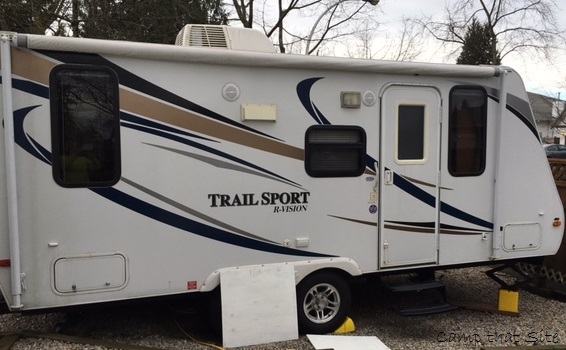

When we purchased a new trailer in 2014 we had a lot more experience and knew enough to throw away the blue tarps. What we were not sure of is if we should be covering the RV in the winder.
I recently read an article on why the blue tarps are terrible which reinforced that would not be coving the RV with that. The question still went unanswered as to whether we should cover the RV or not. I decided to research the topic and here are my findings.

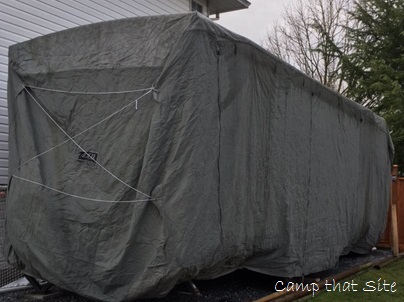
The pros and tips for covering your RV with a RV tarp.
- Protect the unit from the elements: Surfaces and finish will be protected from UV breakdown, dirt, leaves, birds and other debris. This is an important consideration in hot climates or if you are parking in an area where trees or birds may drop unwelcome items.
- Keeps the unit clean: The unit will be much easier to clean in the spring
- Prevents fading of exterior surfaces and oxidization: a cover prevents paint from fading. Think of a cover as a sunscreen that protects your unit from harsh elements.
- Use an RV specific tarp that features: Rust resistant grommets, heavy duty roof paneling, reinforced corners, integrated air vents, zipper panels to allow access. Multiple draw strings, tie downs and cords are important to achieve a custom fit and reduce flapping. This will reduce the “rub” damage often reported.
If you decide to tarp make sure your RV is clean and dry before applying the cover… including the awning(s). And last: Don’t leave the cover on too long, so mildew doesn’t form underneath
The cons and tips for covering your RV with a RV tarp.
- Exterior damage: The #1 complaint was that if they are not tightened properly or work lose they flap and do damage to the exterior finish. This was mentioned in almost every review and forum I researched.
- Condensation: Depending on the quality they can cause moisture problems inside your RV.
- Application: They are difficult to get on and off your RV and often damage vents, AC covers and the roof causing unexpected collateral damage
- Limited access to your RV: Most good quality RV covers offer a panel to give you access to the RV but it still is not easy. it is important to still check your RV throughout the winter.
- Cost: They can be expensive to purchase, difficult to store and a challenge to find the right fit.
- If you decide not to tarp then jack the front of your RV a little higher to help encourage run off.
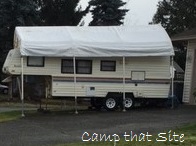
Whether you tarp or not here are a couple of tips that were consistent for either side.
- Dehumidify: with or without a tarp managing the humidity in your RV is key. This can be done with an electric or a simple chemical dehumidifier. Either works, the key is to have one.
- Air Flow: Open doors and cupboards to help encourage air flow
- Never run your furnace: with a winter cover on you should not run our furnace or you may create an unplanned VENT hole in the side of your cover.
- Tires: If you decide not to tarp your unit be sure to protect your tires. Exposure to UV rays and ozone in the air will degrade the rubber more quickly than you might think.
- Indoors is best: If you have the space storing your RV in a garage or under an awning garage is the best solution of all.
I hope this information helps you decide what is best for you in your climate. At this point we do not tarp but that is not to say we wont when next winter rolls around!
Links
Neighbor Blog: Understanding the Pros and Cons of RV Covers
RV Geek: The pros and Cons of RV Covers
RV Travel: The pros and cons of RV Covers: Are they worth it?


 Camp That Site: Enjoy BC with the right site the first time
Leave a reply to jncthedc Cancel reply